Automotive HMI · Concept · 2024

3D-Based HMI Vision

Client

Audi China

Year

2024

Industry

Automotive

Platforms

HMI

My Role

Art-Director, Project Lead

Services

Visual Design 3D Team Management Art-Direction 3D Video Production HMI Design
01
01

Project Overview

Audi, with its commitment to innovations, continues to explore different ways to enhance experience for drivers. In 2024, they reached out with an exploration project with the main goal to identify the visual aesthetics of the next-generation HMI. Not focusing on the Information Architecture, UX factors, but the visual appearance. The automotive HMI landscape was redefined through the exploration of familiar, cultivated, and unconventional design elements. A balance was struck by considering both innovations and legacy. The team explored innovative 3D integration, dynamic UI animations, and established a signature visual language.

Role Overview

As the lead designer for this project, I was responsible for selecting appropriate activities to ensure the successful delivery of the project from inception to completion. My responsibilities included managing the 3D and motion design team, establishing and curating visual directions, and formulating core principles for the concept. Additionally, I maintained communication with the client, addressed ongoing challenges, and served as the primary point of contact for all stakeholders involved in the project. The whole project was delivered in a very strict timeline of 4 weeks only — from kick-off session to final delivery.

02

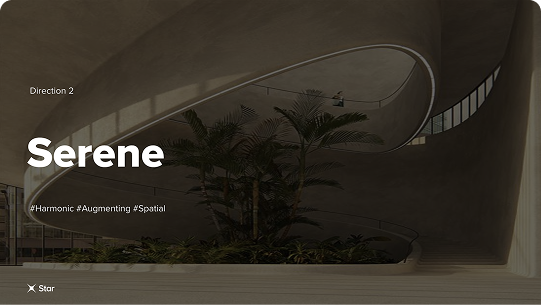
Visual Directions Exploration

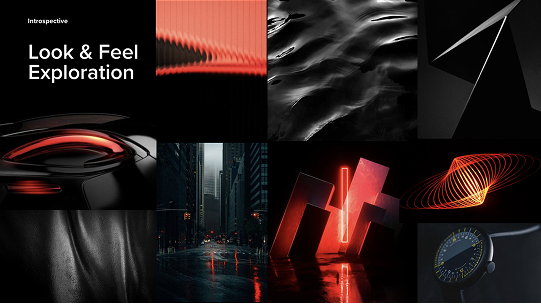
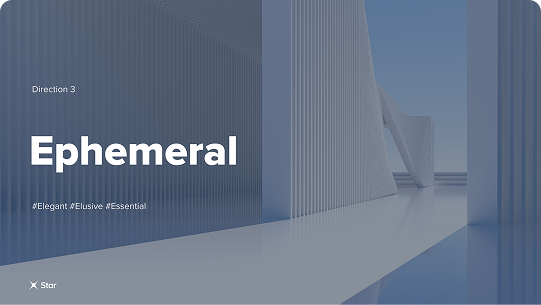
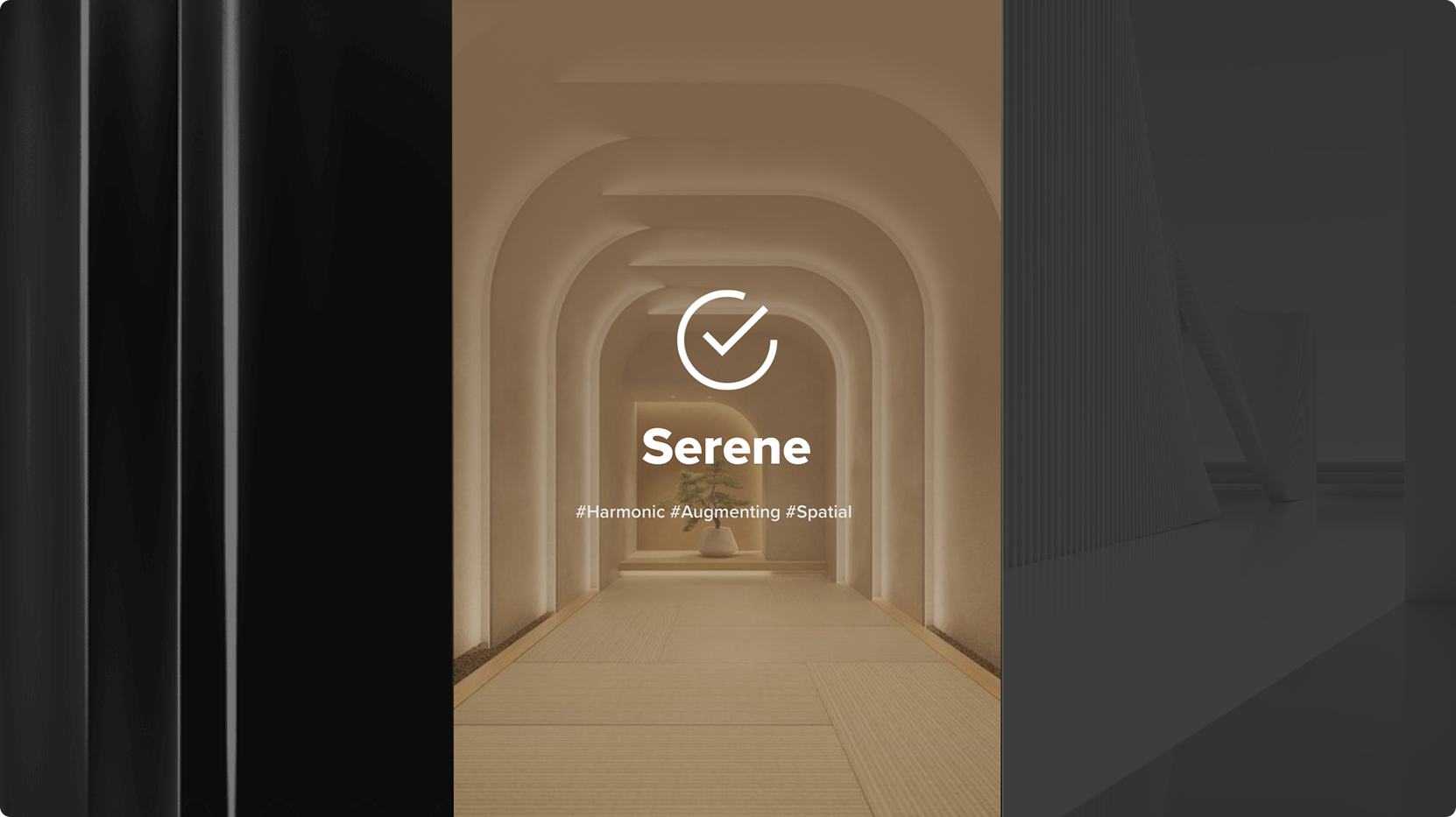
Considering the exploratory nature of the project, Audi granted us the freedom to pursue entirely new visual directions, rather than adhering strictly to existing brand guidelines and aesthetics. Our initial step involved exploring various visual concepts and collaborating with the client to select the most suitable option. Our goal was to achieve a contemporary aesthetic while ensuring that we consistently reflected Audi's core values, including performance, sustainability, and luxury.
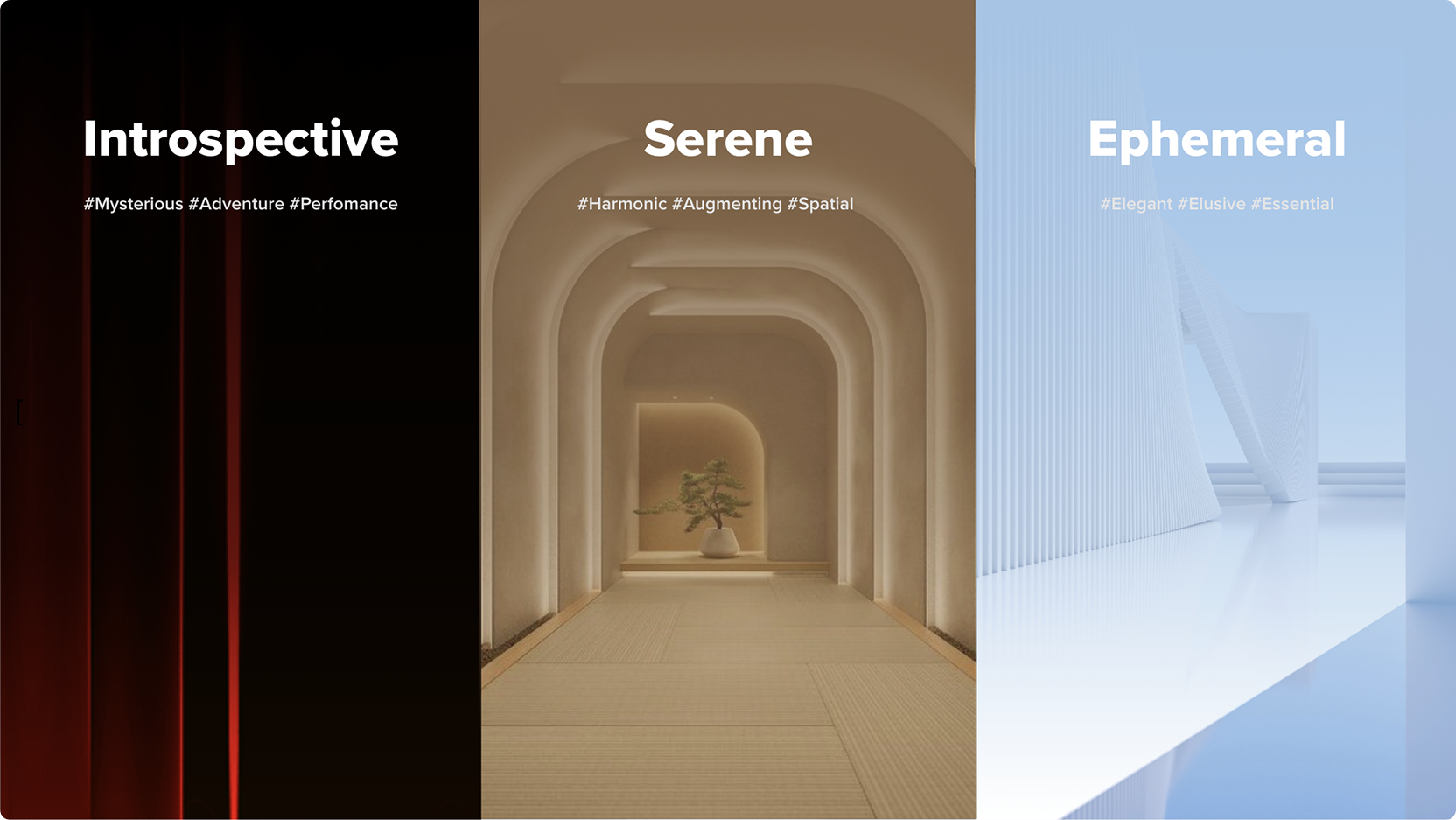
Visual Directions Exploration

Visual Direction Structure

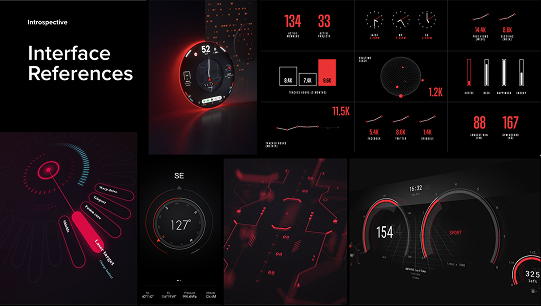
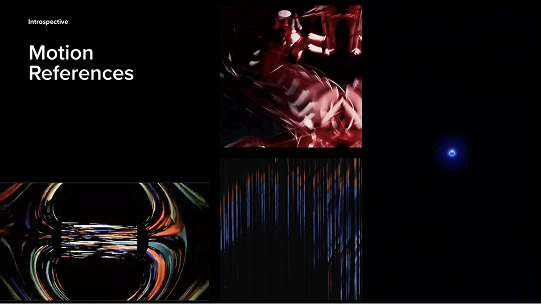
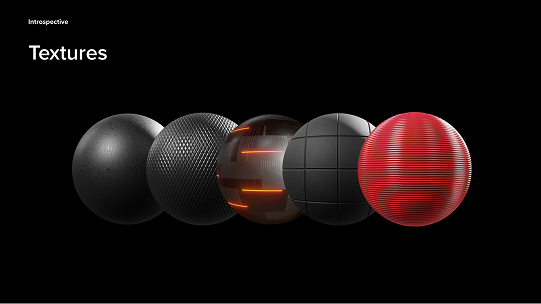
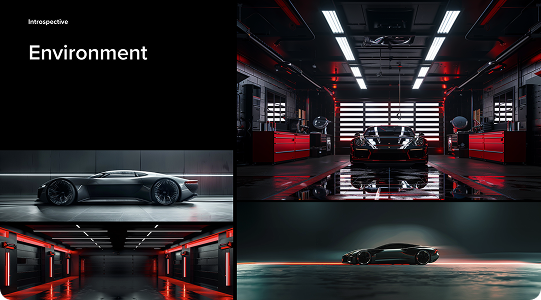
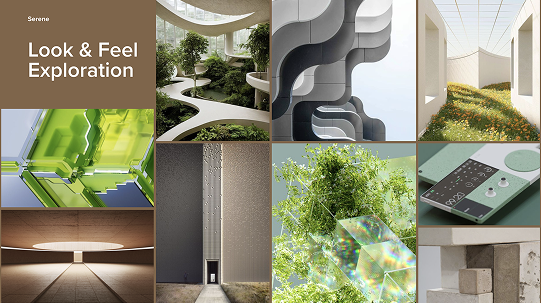
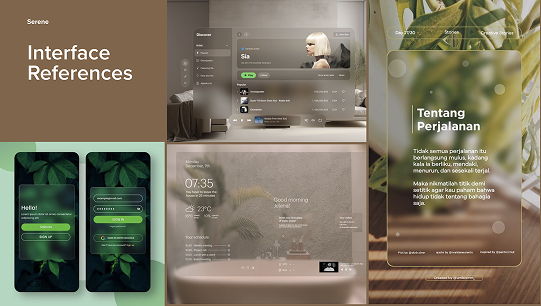
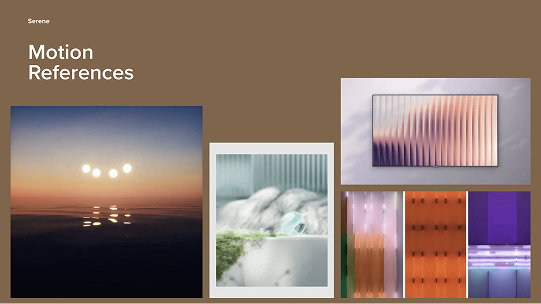
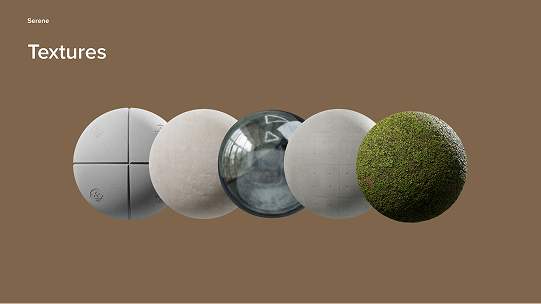
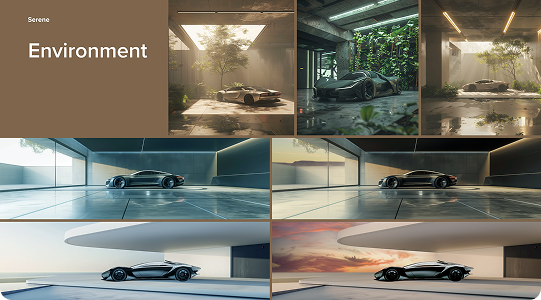
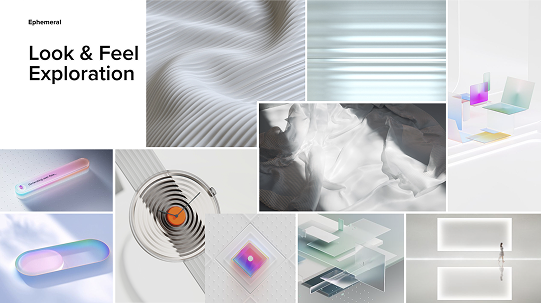
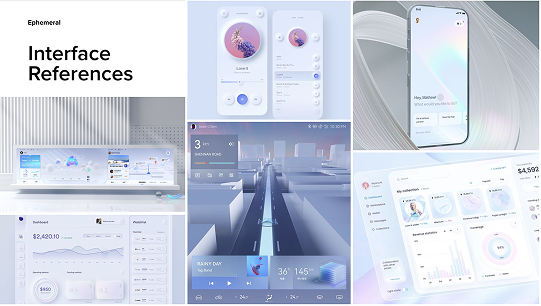
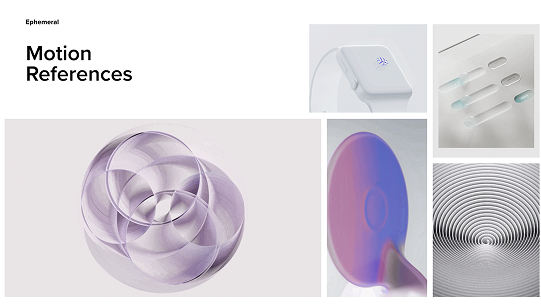
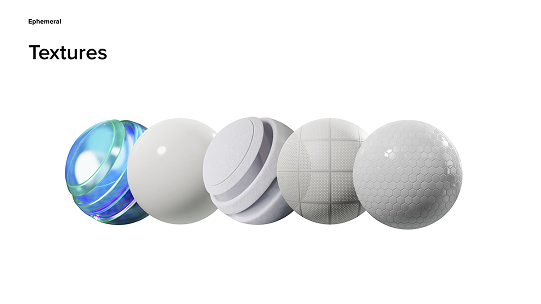
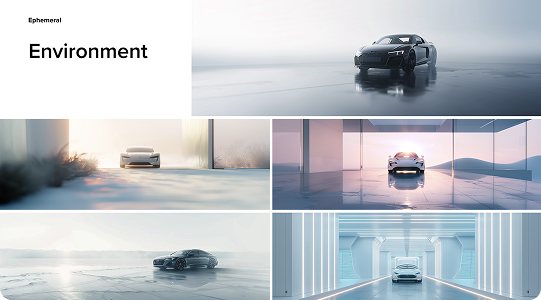
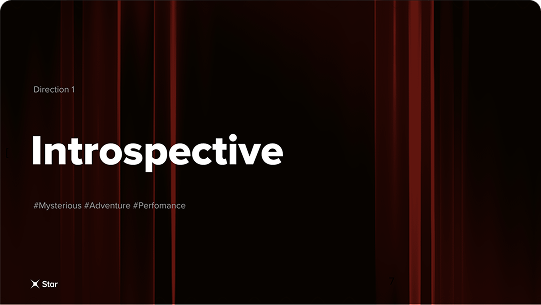
The fundamental framework of each visual direction encompasses an exploration of Look & Feel, along with references for Interface and Motion that align with the chosen aesthetics. Given our objective to develop a 3D-based HMI, we have also incorporated references for Texture and Environment.

Visual Direction Structure
Visual Directions Final
03

Unreal Engine 5

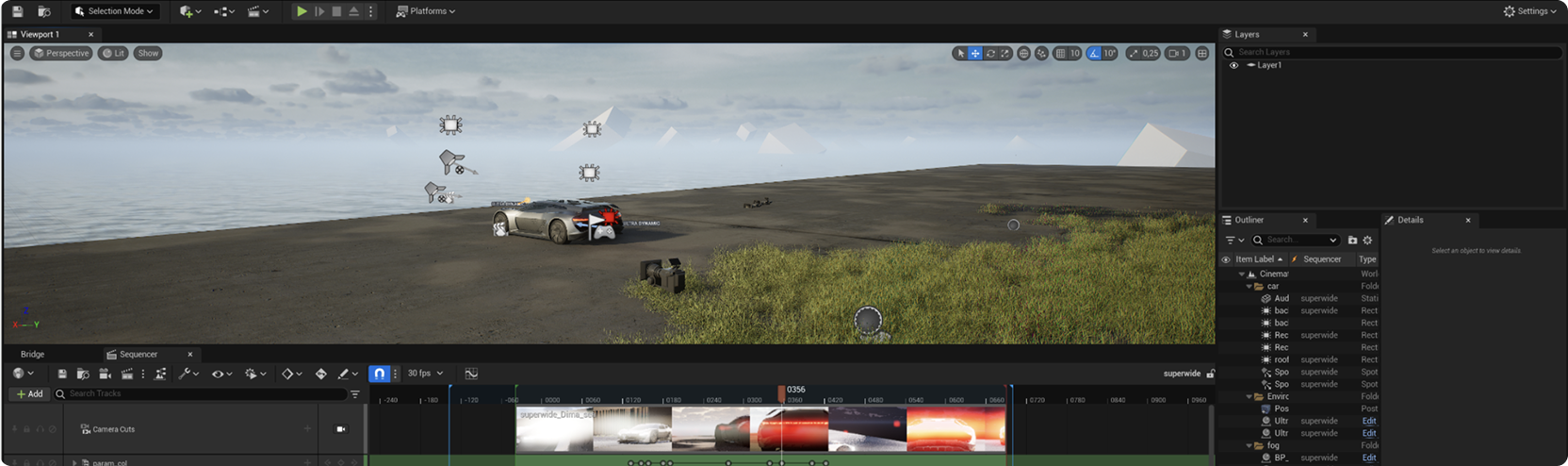
We built the demo interface in Unreal Engine 5 because it allows us to create a realistic, interactive 3D environment with real-time feedback and procedural generation. We built an environment and a demo interface to explore the new approach of a spatial 360-degree interface. Thanks to UE5's ability to render frames in real-time, we could iterate quickly and deliver the prototype in just four weeks. The biggest advantage of using UE5 was also the fact that this demo-project can potentially be implemented within a UE5 environment.

Unreal Engine 5
04

Core Principles & Key Focus Areas

Although this was primarily a visual exploration project, we aimed to incorporate fundamental principles into the concept. It is essential to avoid developing a concept in isolation. Therefore, we established two key focus areas: The Sense of Space and Seamless UI Integration.

Core Principles Overview

The Sense of Space

We direct camera movements to reveal interfaces visible only from a specific angle. The camera obeys the gentle touch of a spinning wheel and makes a pleasant transition. Drivers will travel through the digital world of their Audi by interacting with its HMI. The concept is designed to evoke joy with every interaction and augment the cockpit experience.

Sense of Space Structure
Control Wheel

Just like a compass, our wheel indicates the direction we're facing. When a driver turns the physical control wheel in the cockpit, the camera doesn't move freely — it aligns to a specific angle. Simultaneously, the compass responds by indicating the current interface screen and suggesting other available options on the sides. The wheel was inspired by an Audi commercial. We believe that Audi drivers need an effortless way to interact with the HMI; a touch screen is uncomfortable when you're planted in the seat. Thus, we suggest having a control tool at hand.

Seamless UI Integration

Audi requested an exploration of innovative methods for presenting UI design, moving beyond the conventional approach of layering 2D elements over a 3D background. In our concept we treat the interface as a magical addition to the realistic world. We focus on directing light beams to create different interfaces — light beams generate the space and then augment it simply and effectively. The best part is that those light beams exist inside the scene and are rendered in real-time.

UI Screen 1 UI Screen 2
05

Final Concept

The final concept brings together the visual directions, UE5 environment, and core principles into a cohesive demonstration of next-generation automotive HMI. Watch the full concept video below.

06

Beyond the Parking Mode

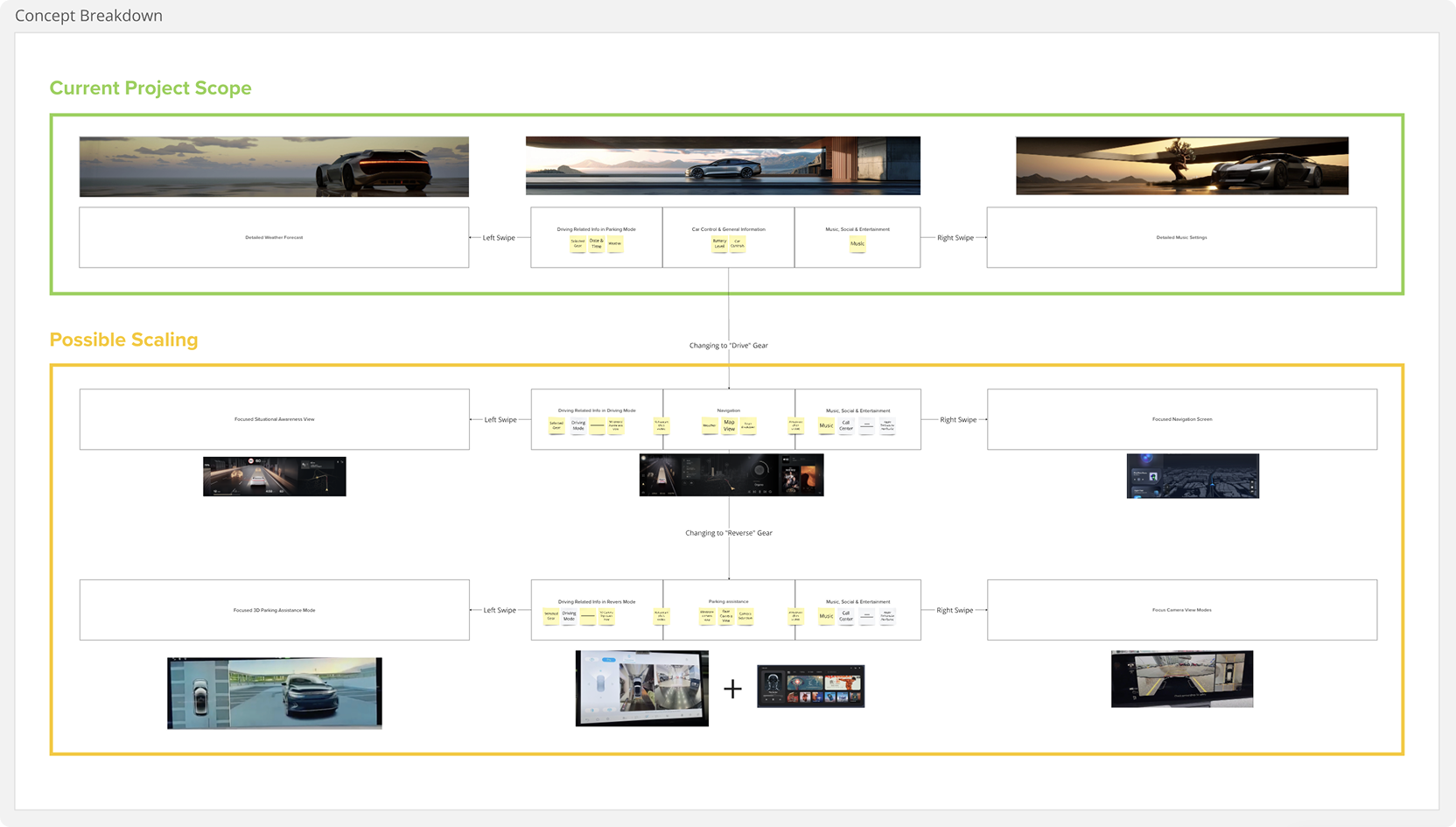
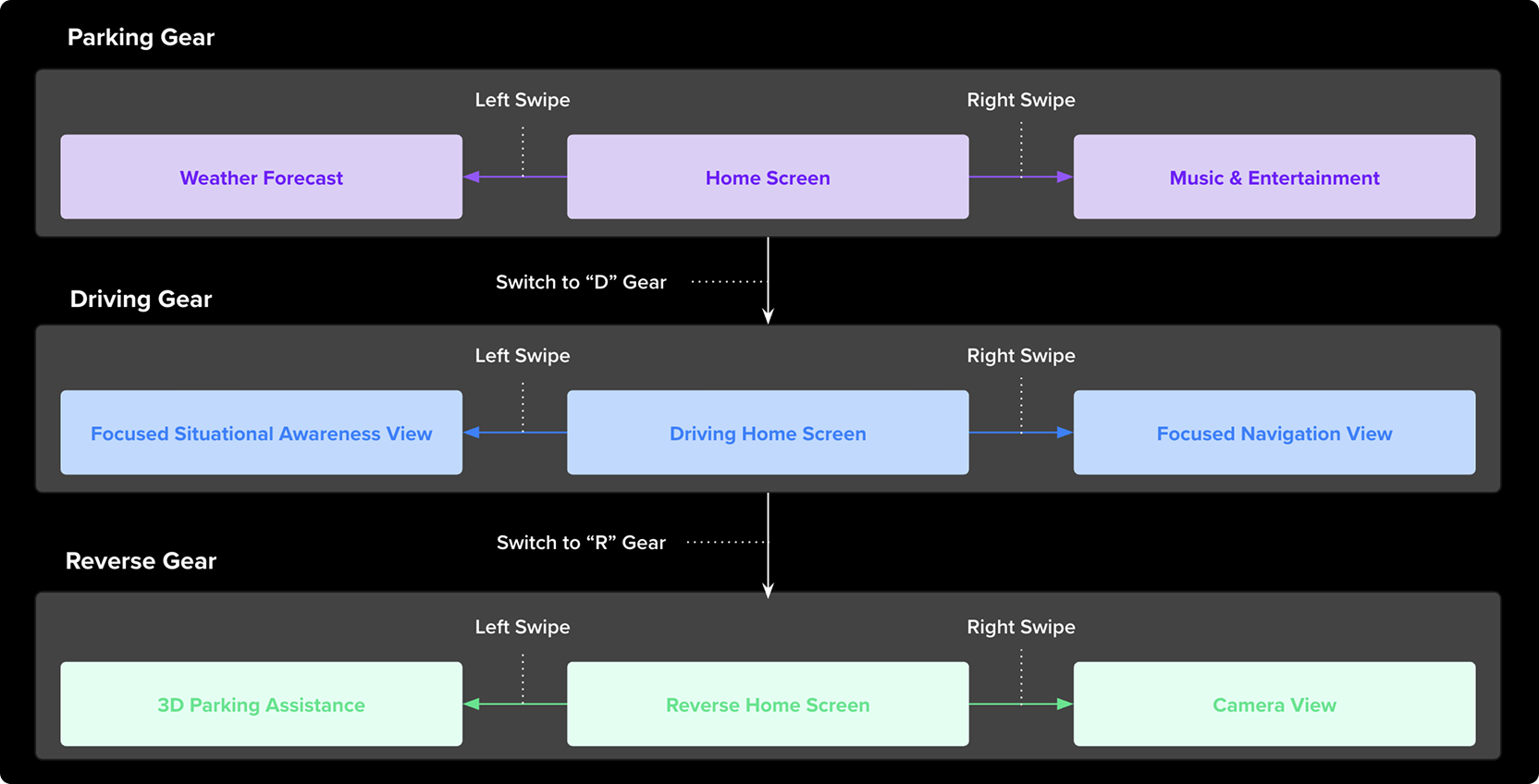
Our concept demonstrates the 360-degree movement of the camera within a single plane of the Parking mode. We spin left and right to reveal different screens that are functional for the particular stage of the journey. However, the concept goes further — by switching gears, we disclose a multiverse of scenes. Each scene will have a set of interfaces to explore by spinning the wheel.

Beyond the Parking Mode
All Projects Next Project